Building a Centralized Library for High-Stakes Proposal Readiness Documentation
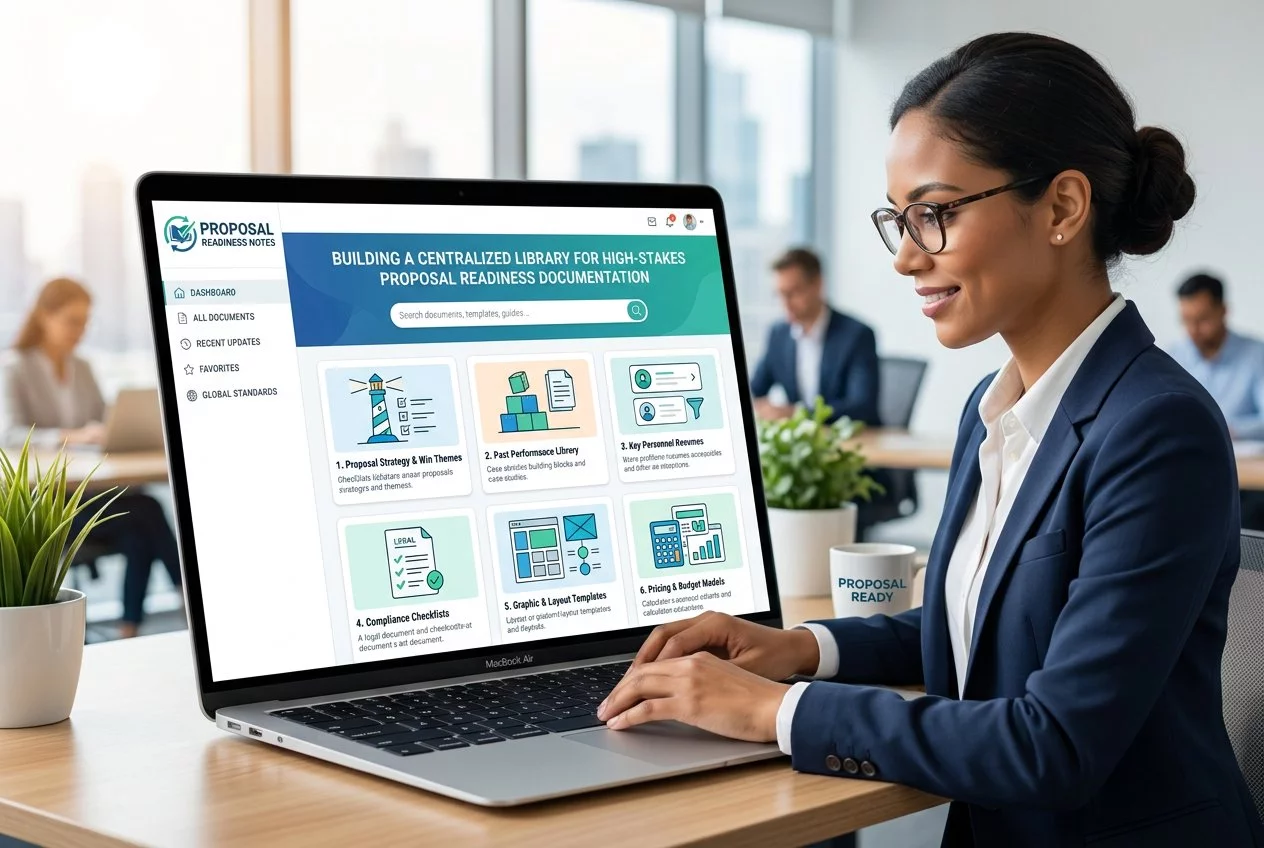
In the fast-paced world of high-stakes proposals, the ability to quickly access accurate and up-to-date documentation is not merely an advantage; it is a critical necessity. Many organizations grapple with a fragmented landscape of essential content, scattered across disparate systems, individual desktops, and unmanaged cloud drives. This decentralization often leads to significant delays, duplicated efforts, and the frustrating inability to locate the most current version of a vital piece of information when deadlines loom large.
The challenge extends beyond mere accessibility. Maintaining consistency and accuracy across all proposal materials becomes an arduous task when source documents lack a single, authoritative home. Outdated data, conflicting messaging, or unapproved content can inadvertently find its way into a submission, undermining credibility and potentially jeopardizing a crucial opportunity. The integrity of a proposal hinges on the reliability of its underlying documentation, a reliability often compromised by a lack of centralized control.
Furthermore, effective team collaboration suffers immensely in such environments. Proposal teams, often geographically dispersed and working under intense pressure, struggle to synchronize their efforts when each member must navigate a labyrinth of shared folders and personal archives. This inefficiency not only slows down the drafting and review cycles but also introduces unnecessary stress and friction, detracting from the strategic focus required for competitive bidding. The synergy needed for successful proposals is often lost amidst the search for foundational content.
The stakes are particularly high when considering compliance and security. In regulated industries, the disorganized management of sensitive documentation can expose an organization to significant risks, including non-compliance penalties and reputational damage. Ensuring that all content adheres to legal, ethical, and internal standards is paramount. Without a centralized, secure repository, monitoring and auditing document usage and access become nearly impossible, leaving critical information vulnerable and potentially compromising the security posture of the entire proposal process.
Underlying Factors Impeding Efficiency
- Lack of a dedicated content management system: Many businesses still rely on generic file storage solutions or ad-hoc methods that are ill-suited for the dynamic requirements of proposal documentation.
- Decentralized content ownership: Essential documents are often maintained by various departments or individuals, leading to multiple versions and an absence of a single source of truth for critical information.
- Insufficient governance and lifecycle management: The absence of clear processes for content creation, review, approval, and eventual archiving or retirement results in a proliferation of outdated or irrelevant materials.
Strategic Pathways to Enhanced Proposal Readiness
The journey towards robust proposal readiness begins with the implementation of a dedicated document management system (DMS) specifically tailored for high-stakes content. Such a system provides a centralized, secure repository where all relevant documentation—from case studies and resumes to legal disclaimers and pricing models—can reside. Key features like advanced search capabilities and version control are fundamental.
This specialized DMS should offer robust version control, ensuring that only the latest, approved iterations of documents are accessible for proposal development. Granular access permissions are also vital, allowing specific teams or individuals to view, edit, or approve content based on their roles. This structured approach significantly reduces the risk of using outdated information and streamlines the content retrieval process for PandaLane Briefs' teams.
Concurrently, establishing a comprehensive content governance framework is essential. This involves defining clear roles and responsibilities for every stage of the document lifecycle, from initial creation to final archival. A well-defined framework ensures accountability and promotes a culture of accuracy and consistency across all proposal-related materials.
The governance framework should detail standardized processes for content creation, review, and approval, including regular audit schedules to assess content relevance and accuracy. This proactive approach helps to purge outdated information and ensure that the library remains a reliable resource. Clear guidelines for content tagging and categorization will also enhance discoverability and usability.
A third powerful solution involves integrating AI-powered content tagging and intelligent search functionalities. Leveraging artificial intelligence can automate the classification and indexing of vast quantities of documentation, making it significantly easier to find specific information quickly and accurately. This technology moves beyond simple keyword searches to understand content context.
AI can analyze content, identify key themes, and automatically apply relevant tags, dramatically improving the efficiency of content retrieval. This not only saves valuable time during the proposal drafting phase but also helps teams identify related content they might otherwise overlook. For PandaLane Briefs, this intelligent layer transforms a mere repository into a dynamic, responsive knowledge hub.
Potential Challenges and Mitigation Strategies
- User adoption resistance: Teams may be hesitant to embrace new systems and workflows, especially if they are accustomed to existing, albeit inefficient, methods. (Recommendation: Provide comprehensive training, highlight tangible benefits, and involve key users in the planning phase.)
- Data migration complexities: Transferring existing, often disorganized, documentation into a new centralized system can be a time-consuming and error-prone process. (Recommendation: Develop a phased migration strategy, prioritize critical content, and implement rigorous data validation protocols.)
- Ongoing system maintenance and evolution: A centralized library requires continuous management, updates, and adaptation to evolving organizational needs and technological advancements. (Recommendation: Allocate dedicated internal resources for system administration and content curation, and plan for regular platform reviews and upgrades.)
Comments
Leave a Comment