
The Pre-Flight Checklist: Essential Verification Points Before Sending Your Proposal
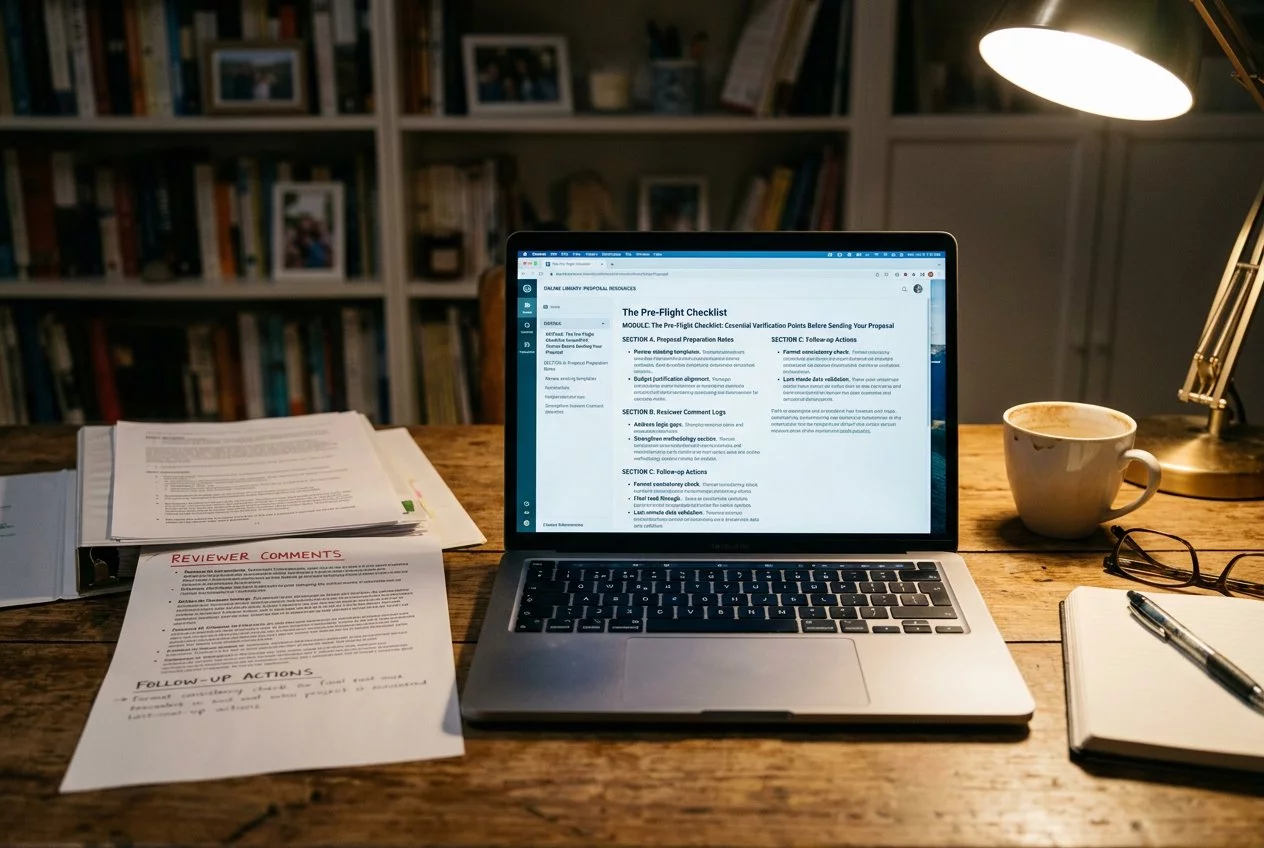
In the fast-paced world of business, the moment a proposal is ready for submission often brings a rush of excitement and relief. However, this feeling can sometimes overshadow the critical importance of a thorough, meticulous final review. Many organizations, eager to meet deadlines or move on to the next task, might inadvertently skip essential verification steps, assuming that a quick read-through is sufficient. This oversight can lead to proposals that, despite their strong core ideas, fall short in presentation and clarity, ultimately undermining their potential impact.
The consequences of sending out an unverified proposal extend far beyond a minor typo. A document riddled with inconsistencies, outdated information, or formatting errors can project an image of carelessness and lack of attention to detail. This perception can significantly diminish the credibility of your offering and, by extension, your organization. It signals to potential collaborators that if you cannot meticulously manage your own communications, perhaps you cannot be trusted with their complex needs or projects. The subtle erosion of trust can be incredibly difficult to rebuild.
Consider the common symptoms: a proposal where the client's name is misspelled, a key attachment is missing, or the proposed timeline clashes with the stated objectives. These are not merely superficial flaws; they are red flags that can cause a decision-maker to pause, question your professionalism, and ultimately look elsewhere. Even if the core solution is brilliant, a poorly presented proposal creates unnecessary barriers, forcing the reader to work harder to understand your message rather than being captivated by it. This friction can be the difference between success and a missed opportunity.
The illusion of completeness is a dangerous trap. An author, having spent countless hours crafting the content, becomes intimately familiar with the material, making it difficult to spot their own errors. What seems perfectly clear to the creator might be ambiguous or confusing to a fresh pair of eyes. This proximity to the text often leads to a false sense of security, where the belief that “it’s good enough” replaces the pursuit of excellence. Overlooking this human element is a common misstep in the proposal submission process, often leading to avoidable shortcomings.
Ultimately, the cost of an unverified proposal isn't always immediately apparent, but it accrues over time. It can manifest as lost opportunities, wasted resources spent on drafting, and a gradual weakening of your organization's reputation in the marketplace. For PandaLane Briefs, ensuring every document reflects our commitment to excellence is paramount. A single flawed submission can impact future engagements and the perception of your brand’s reliability, making a robust verification process not just good practice, but an absolute necessity for sustained growth and positive client relationships.
Common Pitfalls Leading to Proposal Flaws
- Tight Deadlines and Hasty Submissions: Pressure to submit quickly often means crucial review stages are rushed or skipped entirely. This can result in overlooked errors, incomplete sections, or poorly articulated ideas that detract from the proposal's overall strength.
- Lack of a Standardized Review Protocol: Without a clear, step-by-step process for verification, teams rely on ad-hoc checks. This inconsistency means different proposals receive varying levels of scrutiny, increasing the likelihood of critical mistakes slipping through the cracks.
- Author Blindness and Over-Familiarity: The person who wrote the proposal is often the least effective reviewer. Their deep understanding of the content can make them blind to ambiguities, grammatical errors, or logical inconsistencies that would be obvious to someone encountering the text for the first time.
Strategic Solutions for Enhanced Proposal Verification
One highly effective solution is to implement a multi-stage review process that involves several distinct checkpoints before final submission. This means moving beyond a single proofread. Initially, the proposal should undergo a content review by a subject matter expert to ensure factual accuracy and alignment with the client's needs. This step confirms that the core message is robust and addresses all requirements without ambiguity.
Following the content review, a separate individual, ideally someone unfamiliar with the initial drafting, should conduct a comprehensive editorial review. Their focus should be on clarity, conciseness, grammar, spelling, and adherence to brand guidelines. This fresh perspective is invaluable for catching errors that the original author might have missed due to over-familiarity. At PandaLane Briefs, we advocate for this layered approach to ensure every detail is scrutinized.
Another powerful strategy is to create and utilize a comprehensive digital checklist tailored specifically for proposal submissions. This checklist should cover every conceivable element, from confirming all sections are complete and correctly numbered to verifying that all necessary attachments are included and properly labeled. It should also prompt checks for client-specific requirements, such as formatting preferences or specific terminology.
This digital tool transforms the review process from a subjective task into an objective, verifiable one. Each item on the checklist should require a positive affirmation, ensuring that no step is overlooked. Integrating this checklist into your workflow makes it a mandatory gatekeeper for every proposal, fostering consistency and significantly reducing the margin for error by systematizing the verification points.
Finally, consider leveraging modern technology to assist with initial scans and consistency checks. Advanced grammar and style checkers can catch many common errors that human eyes might miss, especially when dealing with lengthy documents. These tools can highlight potential issues with readability, sentence structure, and even suggest improvements for conciseness and impact, saving valuable human review time for more nuanced aspects.
Beyond basic spell-checking, some platforms can help ensure brand consistency by flagging incorrect terminology or deviations from established messaging. While technology should never replace human judgment, it serves as an excellent first line of defense, streamlining the early stages of verification and allowing your team to focus their expertise on the strategic and persuasive elements of the proposal. This blend of human insight and technological support strengthens the entire review pipeline.
Potential Risks and Mitigation Strategies
- Over-editing Leading to Loss of Original Message: Excessive review cycles or too many reviewers can dilute the proposal's core message, making it sound generic or losing its unique voice. Recommendation: Assign clear roles for each review stage (e.g., one for content, one for grammar) and limit the number of final decision-makers.
- Review Fatigue and Complacency: Regular reviewers might become desensitized to errors over time, leading to a decline in the thoroughness of their checks. This can negate the benefits of a robust process. Recommendation: Rotate reviewers periodically or introduce breaks between review sessions. Implement quality checks on the review process itself to maintain vigilance.
- Delays in Submission Due to Extensive Review: While thoroughness is key, an overly long review process can cause proposals to miss critical submission deadlines, potentially losing opportunities. Recommendation: Integrate review timelines into the overall project schedule from the outset, allocating sufficient time for each stage without compromising deadlines.
Comments
Leave a Comment